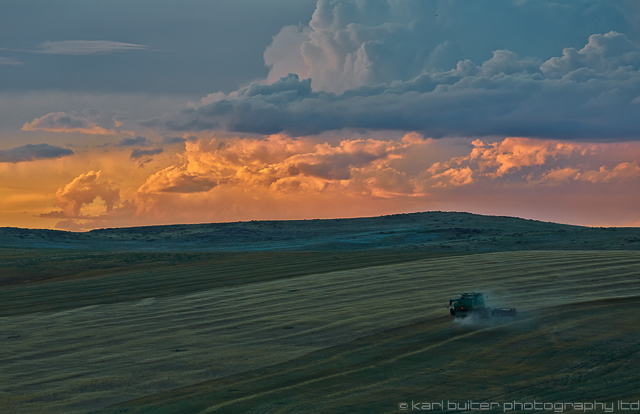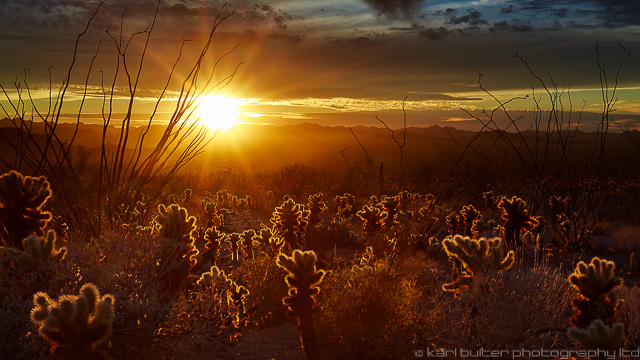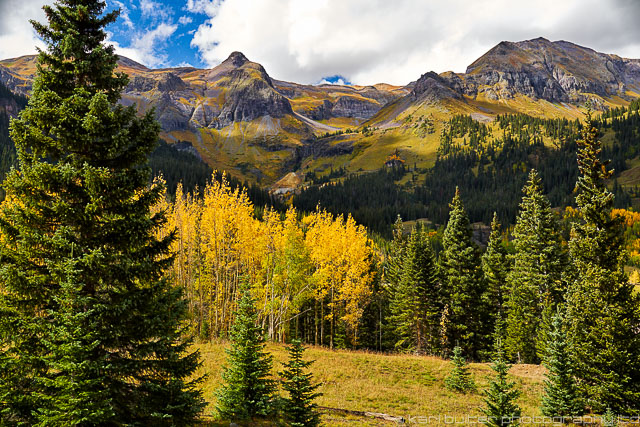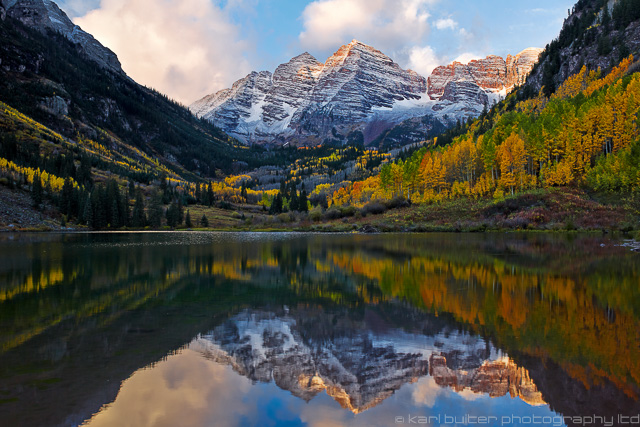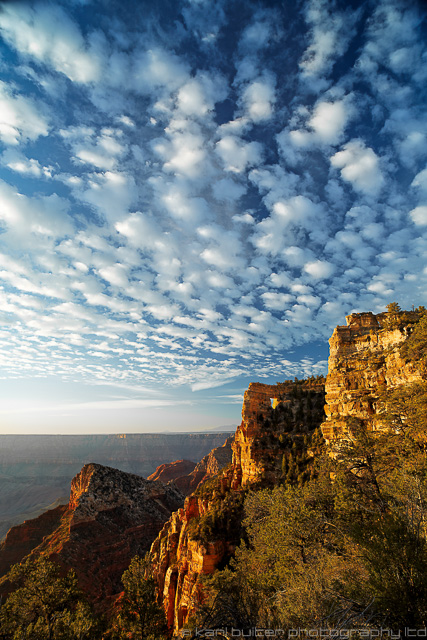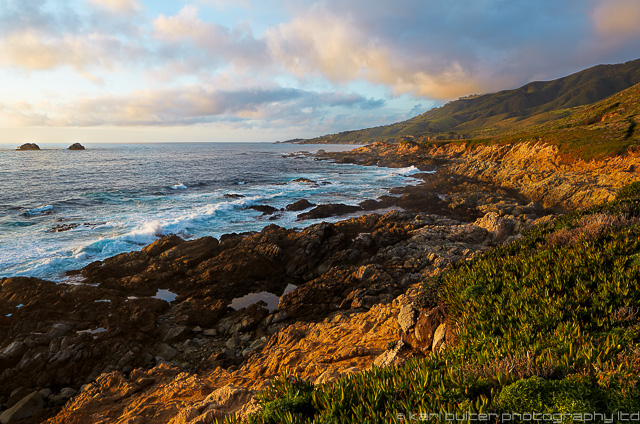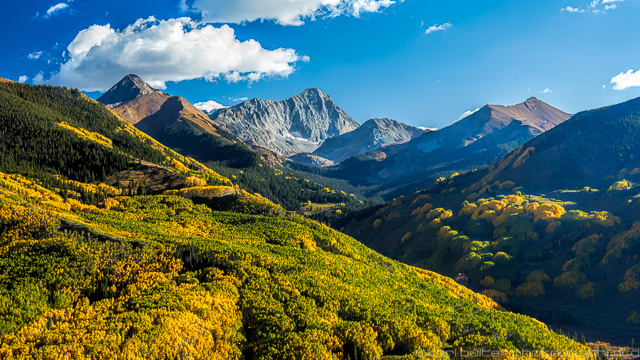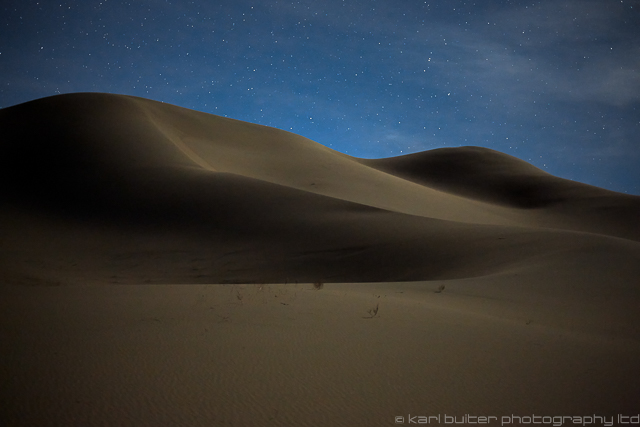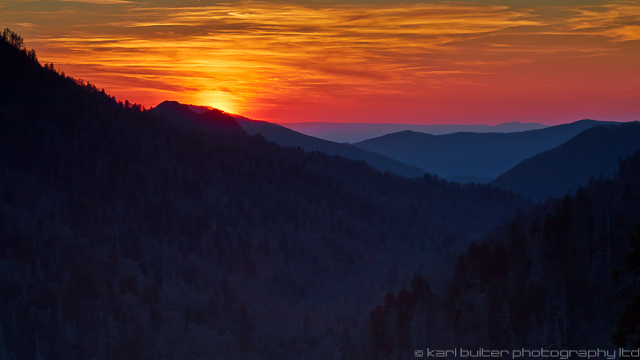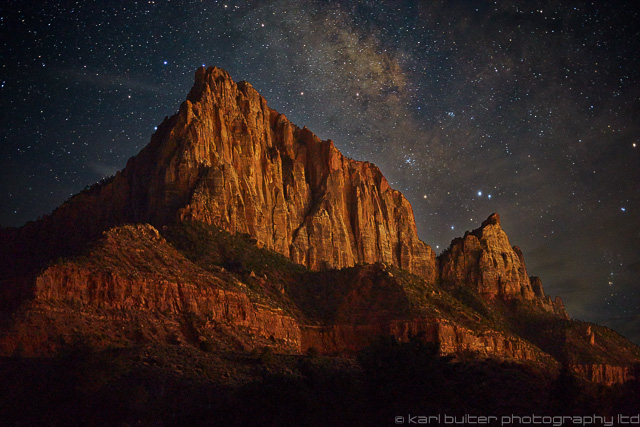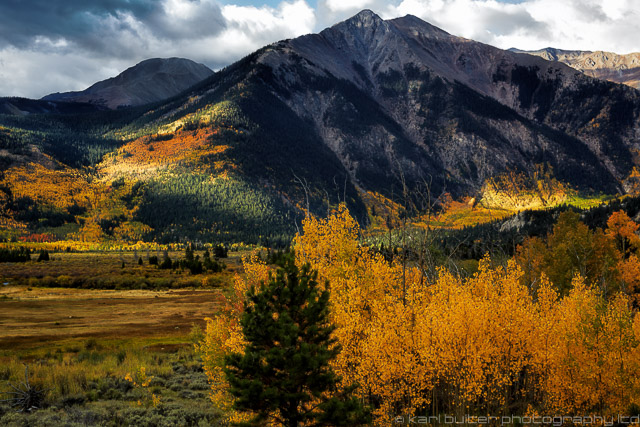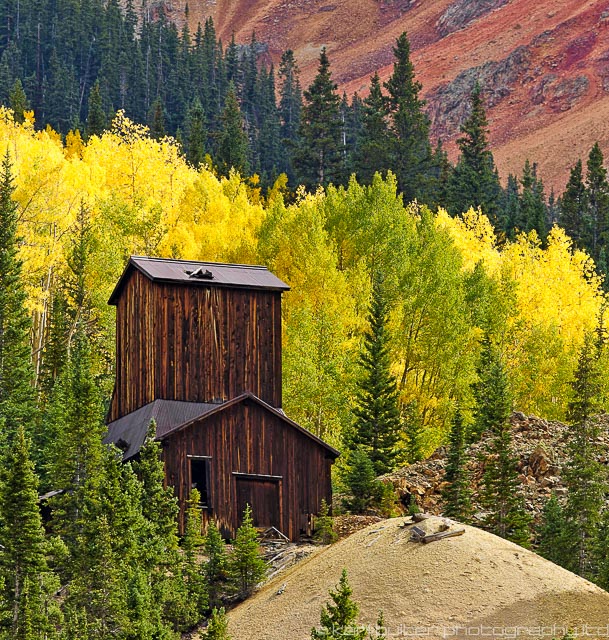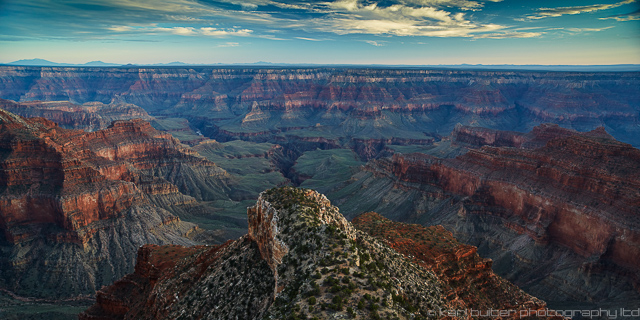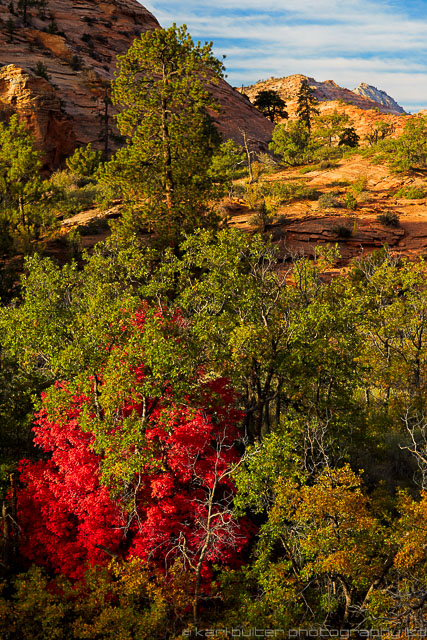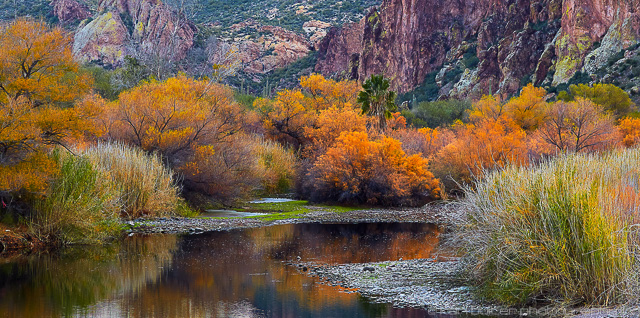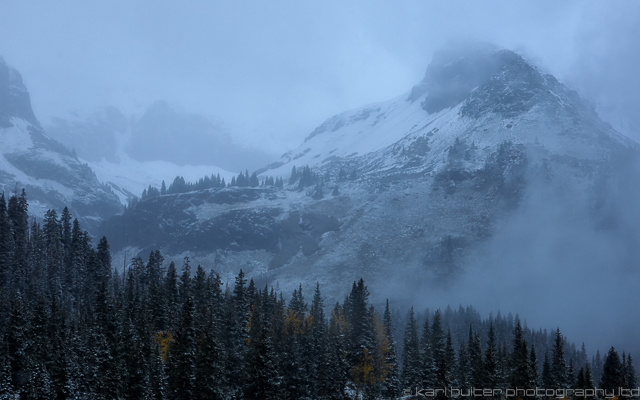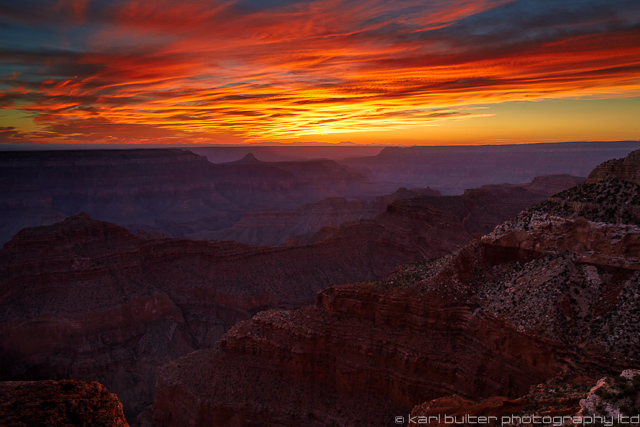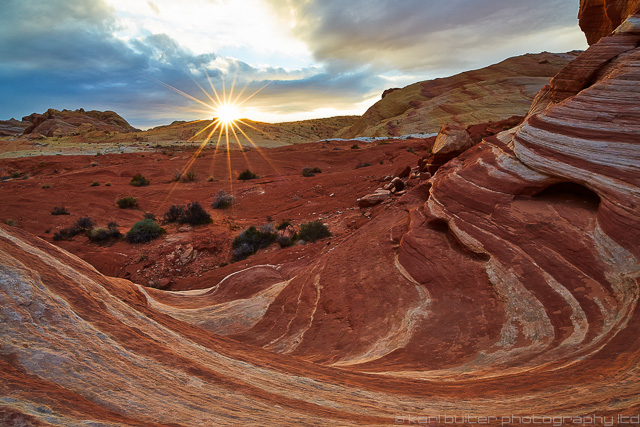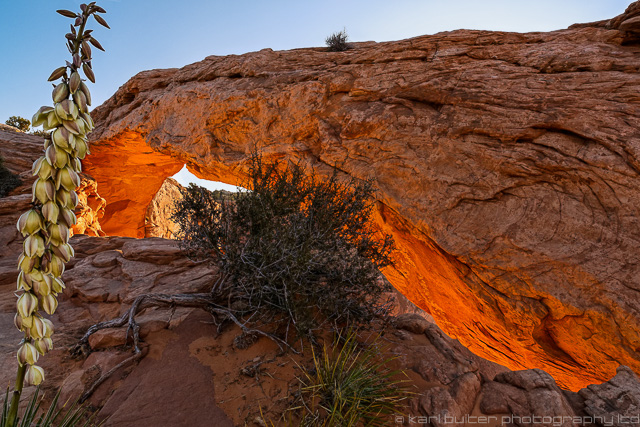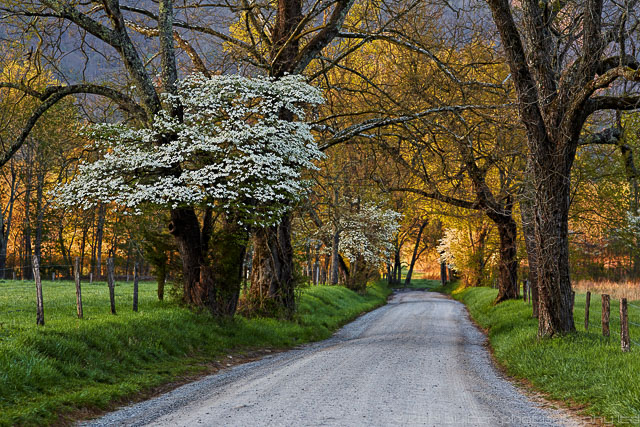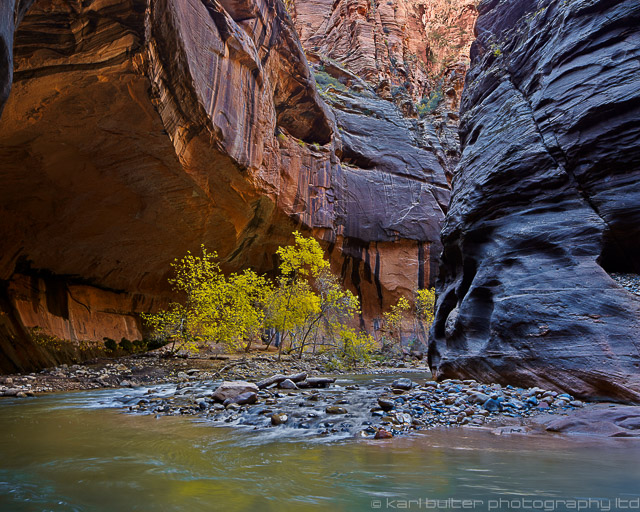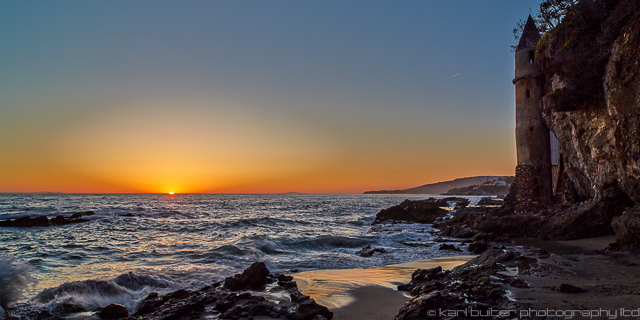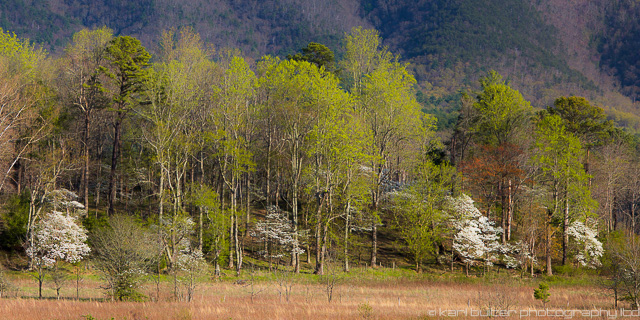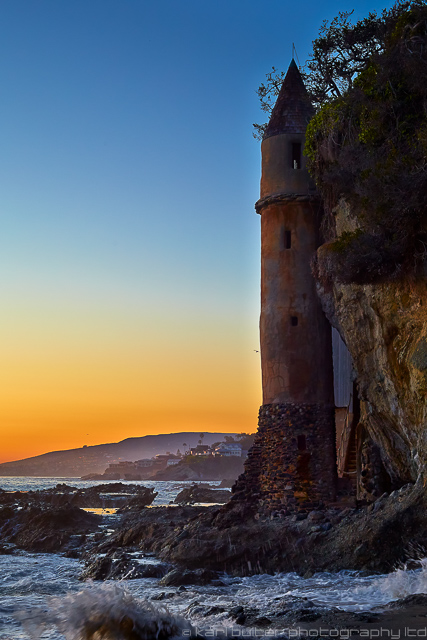
I began my photography interest in the fields of Indiana in the 1970's. Armed with my dad’s Argus 35mm SLR camera, I discovered photography in the small creeks, woods, and backyards within a short hike from my neighborhood. After every set of adventures a roll of film would be wound up and sent for processing. Days later the new slides would be revealed on the wall to friends and family. The Argus was a great learning camera; but it soon gave way to a newer, reliable and more capable Canon Ftb 35mm SLR. With it I learned new techniques; acquired a few lenses; and learned darkroom technique all on a paperboy budget
However another interest developed while in high school. The school system was progressive for the 1970’s and had installed a networked computer for students to use. Within months I had worked my way into the programming lab and began writing multiple player terminal games. It was the day I went to purchase a color enlarger and came home with an Apple /// that a road was chosen. It was 1982, I was in college, and the computer game industry was emerging from the garage. A year later I had independently developed a game called EOS:Earth Orbit Stations. The game got me signed to then start-up Electronic Arts and opened the door to a wonderful career in interactive electronic entertainment development.
Fast forward thirty years and you would find me on Utah Slick rock shooting a 4×4 climbing up one of the many Moab trails with a Canon Rebel XTi. I had dabbled in photography and videography to assist various interests in those in-between years. But now I had a modern digital SLR in my hands and having a great time chronicling my friends’ off-road adventures. And soon that fun developed into a rediscovery of an old passion.
The Shop Story
Dozens of trips are taken every year to nearby and distant locations where I often wake pre-dawn for a shoot; or return well after dark. I often camp on-site when the location is remote.
Once I return to my studio from a shoot, I import the images and preview for good captures with Adobe Lightroom. The best are then reimported using Capture One. Fine Art post work then begins with Photoshop and art filters. All work is done using 10-bit / color channel (30-bit color) workflow on calibrated monitors. This process may take hours or weeks until I am satisfied - which for me is realizing the impact, nuances, and emotions from the original scene.
Proofing for the particular paper and printer involves collecting the printer profiles and then correcting the image for the particular biases. Final prints are professionally printed and mounted by DuraPlaq, a fine art printer based in Longmont Colorado. Canon Large Format ipf6000 and ipf8000 series printers transform proofed digital files into fine art archival images on LexJet Sunset papers.. Every print includes a hand-signed Certificate of Authenticity to confirm the work and its technical printing information.
Careful observers may note that my prints do not follow conventional frame dimensions. Unlike film where scaling is completed optically in an enlarger, scaling digital images to uneven dimensions will reduce the quality of the work. I choose to favor artistic composition over artificial boundaries and print to best fit resolutions for the printer. For those looking for mounted images, the Plaq framing approach is custom to the size of the print
The Story Continues
Fine art photography is a personal experience. Personal for me as the artist; and personal for you as the buyer. To place an image into a home or office, the story should be known. As much as I can, I'll let you know that story. I encourage you to discover more about my work on my website, newsletters; facebook, twitter; and emails.