Nature Photographers Network
This is the preserved archive of the original Nature Photographers Network. The community continues at naturephotographers.network.
Endangered!
‹ PreviousLandscape GalleryNext ›

Endangered!

by Jerry Greer

Gallery: LandscapePosted June 20, 2011366 views21 comments
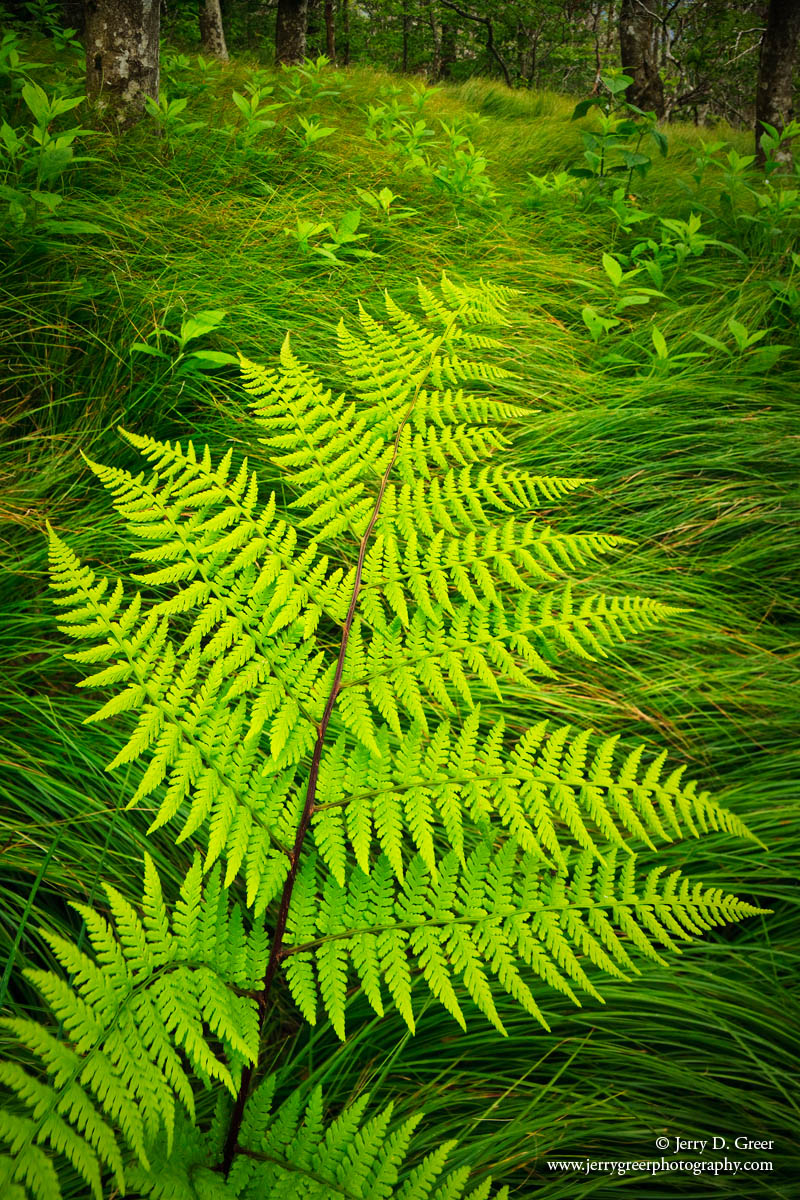
At high elevations pure stands of American beech trees are know as beech gaps. Beech bark disease, a complex made up of the beech scale insect (cryptococcus fagisuga) and a closely associated fungus (Nectria coccinea var. faginata) poses a serious threat to this community. The forest community is assigned a Global Conservation Status Rank of G1. A G1 ranking translates to - Critically Imperiled—At very high risk of extinction due to extreme rarity (often 5 or fewer populations), very steep declines, or other factors. Go here for the full story about this photo and the beech gap community. The Southern Appalachian Beech Gap – Critically Imperiled!

I'll be posting more image from this unique ecosystem.

EOS 5DmkII w/ TS-E 24mm f/3.5L II

Comments

21 comments
Comment posted by Lon Overacker on June 20, 2011 at 6:26 PM
Jerry,

This is a beautifully composed image of this fern. I love how the fern fits perfectly in to the background of grasses and plants. The greens seem spot on to me. Lovely image.

Lon
Registered on November 24, 2006, 521 Posts, 19147 Comments
Comment posted by dean hebert on June 20, 2011 at 7:07 PM
I really like the line and colour of the fern. :toast:
Registered on August 4, 2010, 70 Posts, 1132 Comments
Comment posted by Mark Metternich on June 20, 2011 at 7:32 PM
This works very well Jerry! :toast:
Registered on June 19, 2009, 276 Posts, 6240 Comments
Comment posted by Richard Bernabe on June 20, 2011 at 7:39 PM
Down with the cryptococcus fagisuga! Nice one, Jer
Registered on November 24, 2004, 180 Posts, 1545 Comments
Comment posted by Paul Marcellini on June 20, 2011 at 8:22 PM
This is high on my list of places to get to. Always loved that one shot from here(THE shot). This isn't as powerful as that one but it sure does pop with that fern. I tried a browser crop of the background but ended up preferring it as framed. Thanks for the little lesson on the area too! You should MeetYourNeighbours the area real well!
Registered on November 27, 2007, 250 Posts, 2468 Comments
Comment posted by Aaron Feinberg on June 20, 2011 at 8:38 PM
Sweet fern portrait!
Registered on October 26, 2009, 399 Posts, 2789 Comments
Comment posted by Stephen Weaver on June 20, 2011 at 8:46 PM
Stunning image Jerry. I love the grass behind the fern :wink:
Registered on November 1, 2003, 226 Posts, 623 Comments
Comment posted by Cliff Dodge on June 20, 2011 at 9:52 PM
In nice contrast with the lines of the grass. :)
Registered on March 25, 2006, 125 Posts, 507 Comments
Comment posted by Tony Kuyper on June 20, 2011 at 10:05 PM
Stunning. What an excellent comp.
Registered on November 1, 2003, 364 Posts, 22328 Comments
Comment posted by Danny Laureys on June 20, 2011 at 11:43 PM
Very well seen, also love the greens in this. excellent comp.
Registered on January 5, 2008, 590 Posts, 1261 Comments
Comment posted by Dietrich Gloger on June 21, 2011 at 12:34 AM
Love the greens on the fern! Very effectively composed too.
Registered on January 26, 2007, 360 Posts, 9876 Comments
Comment posted by Vance Gese on June 21, 2011 at 1:06 AM
The fern against that sea of grass is stunning, Jerry. Gorgeous.
Registered on November 13, 2008, 298 Posts, 6629 Comments
Comment posted by Jerry Greer on June 21, 2011 at 8:25 AM
Thanks for your comments guys! It looks to be a really tragic end to another huge beech gap. I've thought that this location was OK in terms of health with good leaf coverage and little tree kill. This year is different. It looks like 80% of the beech have not leafed out and this is not good. It all happened in one year. Not sure until the botanists get in to the location and study the trees. The way I see it is, the trees will not survive if they do not leaf out and this was not a gradual die-off. It is real sad to see one of the largest beech gaps remaining in the southern Appalachians succumb to disease, pests and pollution . Over the next couple of years we will see the ecosystem make a dramatic shift and those beautiful flowing grasses will eventually die off as well. The was a very sad day for me and for those that have felt the same connection to such a unique ecosystem.
Registered on November 1, 2003, 404 Posts, 1977 Comments
Comment posted by Arnab Banerjee on June 21, 2011 at 1:44 PM
I love the image Jerry. The comp and color just pop and grab you. But I am wondering how your storyline fits the image - are some of those big trees and saplings are specimens of beech gaps? If so, they are sort of in the background and dont tell the story that you are after. But as an image, this is top notch
Registered on January 3, 2007, 313 Posts, 2270 Comments
Comment posted by Jerry Greer on June 21, 2011 at 2:34 PM
Arnab,

The grasses, ferns and the background American beech trees are what make up a Beech Gap Community. I forgot to add a link to my blog the gives the full story about this photo. I'll fix it ASAP! Here's a direct link to the post. http://jerrydgreer.wordpress.com/2011/06/21/the-southern-appalachian-beech-gap-critically-imperiled
Registered on November 1, 2003, 404 Posts, 1977 Comments
Comment posted by Eva McDermott on June 21, 2011 at 7:15 PM
Beautiful comp and color Jerry. Interesting read on your blog. Is this destruction of the beech gap caused by man's impact on the environment or due to a natural cycle?
Registered on January 4, 2009, 1015 Posts, 13229 Comments
Comment posted by Tom Haxby on June 21, 2011 at 9:28 PM
Sweet image. We have beech bark disease (BBD) here in Michigan too. It is ruthless and leads to the trunks snapping very easily (beech snap) and it takes out the regenerated seedlings. There are some beech trees that show resistance, perhaps because of the texture of their bark. However, there is very little hope that the American Beech will persist here. That is unfortunate because beech is an excellent tree for forming cavities which benefits certain avian species and the mast is a valuable wildlife staple. Thanks for the excellent post.
Registered on July 6, 2006, 126 Posts, 647 Comments
Comment posted by Pedro Bento on June 22, 2011 at 5:25 AM
Love those greens and the depth created by the fern.
Registered on September 2, 2007, 45 Posts, 761 Comments
Comment posted by Harry Lichtman on June 22, 2011 at 8:50 AM
Jery - Thanks for the biology lesson- always nice to know a bit more about the image and what drove you to the area. The fern appears just a bit too bright for me compared to the surroundings, though I'm sure this was a conscious decision. I think the background could be lightened and still have this effect.
Registered on September 17, 2010, 304 Posts, 3507 Comments
Comment posted by Bruce Omori on June 22, 2011 at 9:09 AM
Gorgeous, Jerry. Love it! :toast:
Registered on December 6, 2010, 6 Posts, 175 Comments
Comment posted by Jerry Greer on June 22, 2011 at 2:46 PM
Harry,

Thanks for the response. There is no Photoshop magic here, the bright and dark areas fell on the landscape as captured. The very young fern is a very light green (look at the darkness of the stalk of the fern) and was lighted along the path of green by an opening in the canopy. This gave the feeling of the fern pointing you down the path of light. I also gave a great separation of the fern from the grasses beneath. It's great that the scene gave me exactly what I was looking for without the aid of Photoshop.
Registered on November 1, 2003, 404 Posts, 1977 Comments